Frozen kebab meat wholesale: benefits for wholesalers and distributors
See the benefits of buying frozen kebab meat wholesale and how it affects storage, stock rotation, logistics and delivery planning for wholesalers and distributors.
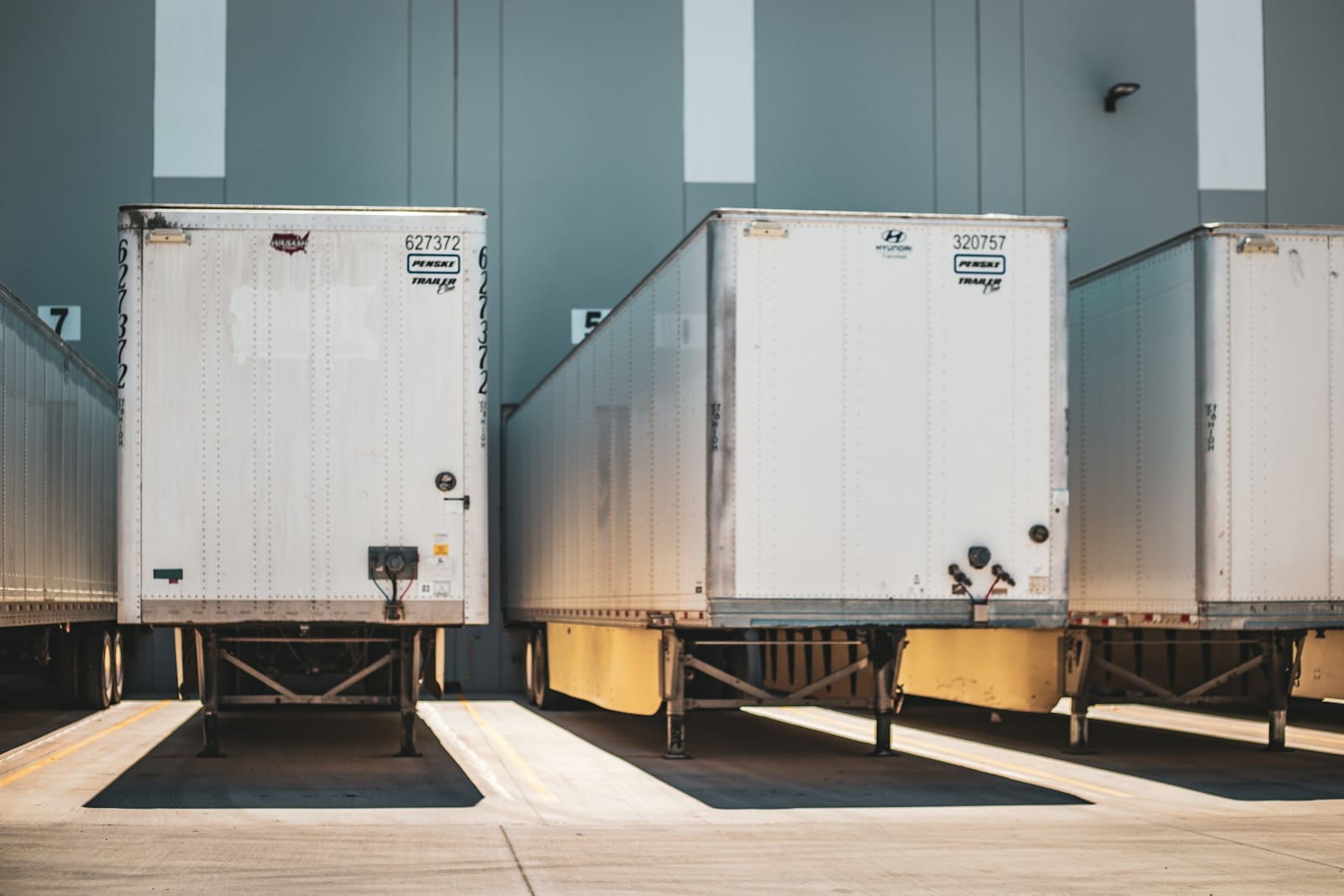
In wholesale, the product itself matters, but so does whether you can hold it in the warehouse, plan stock levels and deliver it to customers on a regular basis. Frozen kebab meat meets these needs well. Here is what frozen kebab meat does for your warehouse, your routes and your customers’ outlets, and how to prepare for buying so that frozen kebab wholesale works for your margin.
Key points in brief
- Frozen kebab meat lets you buy larger batches and hold a buffer stock, so you run out of product less often.
- You plan stock levels in advance and arrange deliveries from the producer on a fixed schedule.
- Rotation is kept in order by the FIFO rule and a sensible number of SKUs matched to what your customers actually buy.
- In distribution, what matters most is an unbroken cold chain from the plant to the outlet’s freezer.
- Before buying, check weights, packaging, labelling, delivery regularity and whether a trial batch is possible.
Why does frozen kebab meat work well in wholesale?
Frozen kebab meat gives a wholesaler time. The shelf life stated by the producer in the specification lets the goods wait calmly in the freezer for orders. As a result, you buy kebab meat wholesale against your sales plan.
This brings concrete benefits:
- Easier stock planning. You order at a steady rhythm and know how much product you have for the coming weeks.
- Larger batches. Fuller deliveries from the producer lower the transport cost per kilogram.
- Lower risk of shortages. When a customer orders more, you supply from stock and do not wait for the next run.
- Predictable distribution. You can combine and reschedule deliveries to outlets, because the goods do not run out of shelf life within a few days.
- Serving different customers. From one warehouse you supply a small kebab shop and a high-turnover outlet.
If you are comparing product forms, we set out the differences between frozen and chilled in the article Frozen or chilled kebab meat?.
How does frozen kebab make storage and stock planning easier?
Frozen kebab wholesale lets you decouple purchasing from your customers’ current orders. You set the stock level based on average sales over recent weeks plus a safety stock, and you order the next deliveries from the producer when stock falls to the agreed level.
Frozen kebab meat also makes larger orders easier. You can combine several items into one delivery, fill the truck completely and negotiate terms at higher volumes. A producer that knows your schedule plans production better, so delivery dates become repeatable.
Before you increase batch sizes, work out how many pallets your freezer can hold at the peak of the season.
Frozen kebab meat and stock rotation in a wholesale business
Rotation in a wholesale business follows the FIFO rule: you ship first the batches you received first. With frozen kebab meat this is particularly simple, because every carton is labelled with a batch number and a date.
Kebab meat rotates best in a wholesale business when the range is matched to the customers. Four rules help:
- Plan purchases based on data. Check which items sell every week and which only occasionally.
- Keep a sensible number of SKUs. Every additional meat variant and weight is another item to watch in the freezer, so add only the ones customers buy regularly.
- Match stock to demand. When a customer moves to a smaller cone or a different meat base, reduce stock of the old item gradually.
- Prepare for the season. In summer the spits turn faster, and after the season sales drop. Build up frozen stock before the peak and run it down before demand falls.
Which meat bases and weights to start with is covered in our article on wholesale kebab and which meat is worth stocking.
How to transport and distribute frozen kebab?
In frozen kebab distribution, an unbroken cold chain matters most. The product must stay frozen from the moment it leaves the plant, through your warehouse, all the way to the outlet’s freezer. Thawing along the way damages the product, and refreezing does not undo it.
In practice it comes down to a few habits:
- Unloading without delays. Move goods from the delivery straight into the freezer so they do not sit on the dock.
- Freezer-body vehicles. On routes to outlets, carry frozen meat at the temperature the producer states in the specification.
- Secured loads. Cartons stand stable on pallets, because damaged packaging is an easy reason for a complaint.
- Checks on receipt. When accepting a delivery, check the condition of the packaging and the conditions in the vehicle.
Frozen goods also give you freedom in planning routes. You combine deliveries to warehouses and customers into one run, because shelf life does not force daily trips. For more on the ordering process itself, see the article Kebab meat wholesale: how to order in bulk.
Ready-made kebab meat: what does it give your customers?
Ready-made kebab meat makes life easier for kebab shops, fast food outlets and other venues that buy from you. The outlet receives a ready tube or cone, so it does not prepare meat on site and can focus on its guests.
Four things matter to your customers:
- Easy ordering. A standardised product is ordered by name and weight, without follow-up questions about details.
- Easier planning. An outlet with a freezer takes stock for several days and thaws cones as needed.
- Choice of variants and weights. A small outlet takes a lighter cone, a large venue a heavier one.
- Consistency. Every delivery tastes the same, so the outlet’s guests get the same kebab every week.
Ready-made kebab wholesale with consistent quality means fewer complaints for you, and an outlet with a reliable product is less likely to look for another supplier.
What to look for when buying frozen kebab meat wholesale?
Before your first order, check:
- Available weights. Make sure the producer offers the weights your customers are looking for.
- Packaging. See how the tube is protected and how many cartons fit on a pallet.
- Storage conditions. The producer states the shelf life and storage recommendations in the specification. Ask for it before you buy.
- Product labelling. The label should show the batch number, date and ingredients, because without them FIFO is hard to run.
- Delivery regularity. Ask how often the producer ships goods under an ongoing partnership.
- Minimum orders. These are usually agreed individually, so raise the subject at the start.
- Trial batch. Order a smaller quantity and check how the product copes with your route and how outlets rate it.
Documents and oversight are a separate topic, covered in the guide how to vet a kebab meat producer.
Frozen kebab meat from the producer: how to start working together?
Before you write to a producer, define:
- the product type, meaning the meat base and form (tube or cone),
- the weight,
- the expected volume,
- the order frequency,
- the delivery location.
With this information you will receive a concrete offer. What should set a long-term kebab meat producer apart is something we describe separately.
We are a producer from Silesia making tubes and cones from chicken, turkey and mix in weights from 10 to 50 kg, in frozen and chilled versions. We have been exporting to 10 countries for 12 years, and every batch leaves with Halal certification and HACCP documentation. We supply kebab wholesalers and distributors, and we agree minimum orders and payment terms individually. You will find the full range on the frozen kebab meat wholesale page.
FAQ: frozen kebab meat wholesale
What are the benefits of frozen kebab meat wholesale?
It lets you buy larger batches, hold stock and plan deliveries in advance. A wholesaler runs short less often and finds it easier to combine runs to outlets.
Is frozen kebab easier to store?
Yes, if you have a suitable freezer. Frozen kebab can wait longer for orders, so you plan stock levels several weeks ahead.
How should frozen kebab meat be stored?
Keep it in a freezer under the conditions the producer states in the specification and on the label. Make sure the goods do not thaw during unloading or transport, and ship batches in the order they were received.
How to plan frozen kebab rotation in a wholesale business?
Apply the FIFO rule, shipping the oldest batches first. Limit SKUs to items that sell regularly, calculate stock from average sales and increase it gradually before the season.
Does ready-made kebab meat work in foodservice?
Yes. The outlet receives a ready tube or cone, so it does not prepare meat on site and gets the same product with every delivery.
What to look for when buying frozen kebab wholesale?
Check the available weights, packaging, storage conditions from the specification, batch labelling, delivery regularity and minimum order. Before a long-term partnership, order a trial batch and see how the product performs with your customers.
Ask for a wholesale offer
Looking for frozen kebab meat for your wholesale business or distribution network? Ask about available variants, weights and B2B delivery terms.